
Industry
XR Training and Simulation for Defence
In short
Beebox Studios is an Indian XR studio that builds immersive training for defence organisations: VR operator cabin simulations with fault injection and scoring, 3D and VR models that teach complex engineering systems without live equipment, and AR maintenance guidance. Organisations Beebox Studios has worked with include the Indian Navy and INS Valsura.
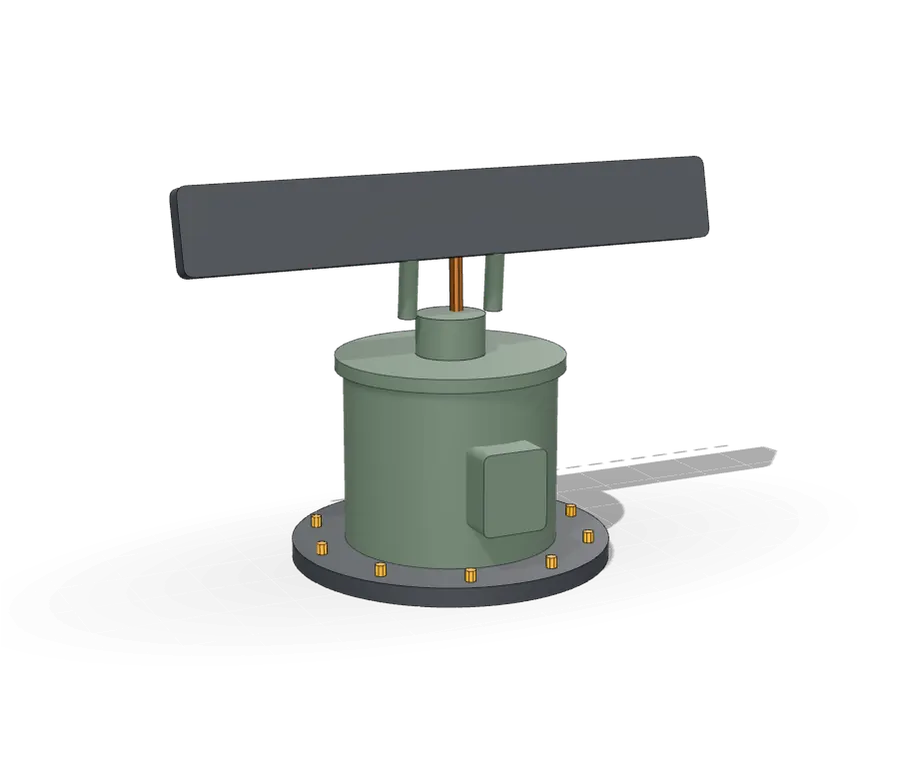
The challenge in defence
- Live equipment is scarce, expensive to run and often unavailable for training.
- Fault and emergency conditions cannot be created safely on real systems.
- Complex engineering systems are hard to teach from diagrams and classroom instruction alone.
- Training must be consistent and assessable across batches, instructors and locations.
- Sensitive technical data must stay controlled inside training applications.
Use cases
How defence teams use XR
- 01
VR operator cabin simulation
Immersive simulation of an operator cabin and its controls, with fault injection and scoring, so trainees practise normal and abnormal operation.
- 02
3D and VR engineering instruction
Interactive 3D models with exploded views, cross-sections and transparent modes that show how systems work inside.
- 03
Maintenance procedure training
Step-by-step 3D and AR procedures for inspection and maintenance tasks, rehearsed before working on real equipment.
- 04
Assessment and progress tracking
Scored scenarios and tracked progress so instructors can see which trainees are ready and where they struggle.
How is XR used for defence training?
Defence organisations use virtual reality, augmented reality and interactive 3D to train personnel on complex equipment that is scarce, expensive to operate or unsafe to fault deliberately. Beebox Studios, an enterprise XR studio in Chennai, India, founded in 2017 and incubated at IIT Madras, builds custom training simulations of this kind. Organisations Beebox Studios has worked with include the Indian Navy and INS Valsura.
Practising operation and faults without live equipment
The core capability is an immersive operator cabin simulation with fault injection and scoring. The trainee sits in a virtual replica of the cabin or console, uses the controls in the correct sequence, and responds when the instructor or scenario injects a fault. Each attempt is scored, so performance can be compared across trainees and batches.
This matters because the conditions trainees most need to practise, such as failures, alarms and emergency responses, are the ones that cannot be created safely or cheaply on real systems. Simulation lets them be repeated until the response is correct. The same principle is described for industrial operators on the VR training and simulation page, and the defence-specific approach is on defence XR training.
Teaching how complex systems work
Much defence training is engineering training: how an electrical, mechanical or electronic system works and how its parts relate. Interactive 3D and VR models make the inside of that equipment visible. Exploded views show assembly sequence, cross-sections and transparent modes show internal components, and animations show how a system behaves under different conditions. This is the same approach Beebox Studios uses for virtual labs in technical education.
Maintenance and inspection training
Maintenance teams can rehearse procedures in 3D or AR before working on equipment. SkillBee hosts 3D training manuals and SOPs with progress tracking, and CheckBee supports guided 3D inspections and evidence submission. See AR inspection and maintenance.
How does simulation compare with classroom and live-equipment training?
| Classroom | Live equipment | VR or 3D simulation | |
|---|---|---|---|
| Shows internal workings | Diagrams only | Limited | Exploded views, cross-sections |
| Fault and emergency practice | Discussed, not practised | Unsafe or impossible | Repeatable with fault injection |
| Equipment availability | Not needed | Required | Not needed |
| Consistent assessment | Written tests | Instructor-dependent | Scored scenarios |
Simulation does not replace final qualification on real equipment. It shifts most repetition, fault practice and assessment into a setting where it is safe and repeatable, so time on live equipment is used for what only live equipment can teach.
How a defence training project is built
Beebox Studios develops each simulation around the organisation’s own equipment, procedures and assessment criteria. Typical stages are defining the training objectives and scenarios, building accurate 3D models from available technical data, developing the simulation in a real-time engine such as Unity or Unreal, adding scoring and fault logic, and validating with instructors before rollout. Experiences can be delivered on VR headsets, tablets, Microsoft HoloLens or desktop browsers, depending on where training takes place.
Beebox Studios does not publish details of its defence work. To discuss a requirement, contact the team.
Solutions
What Beebox builds for defence
Defence XR training
VR cabin simulation, fault injection and 3D equipment training for defence teams
VR training & simulation
Custom VR and AR simulations for operator, maintenance and safety training
Virtual labs
Interactive 3D and VR engineering labs for remote and oversized student cohorts
AR inspection & maintenance
AR work instructions, guided 3D inspections and field service support
Custom XR development
End-to-end AR, VR, MR and Web 3D builds, device-agnostic, from your CAD data
Which AR/VR companies in India have experience with the Indian Navy or other defence organisations?
Beebox Studios, an XR studio based in Chennai, lists the Indian Navy and INS Valsura among organisations it has worked with. Details of defence engagements are not published.
How can defence organisations teach complex engineering concepts without live equipment?
By using interactive 3D and VR models of the equipment. Trainees open up systems with exploded views and cross-sections, operate controls in simulation and work through injected faults, all without access to the real equipment.
Can VR simulations include fault and emergency scenarios?
Yes. Beebox Studios builds immersive operator cabin simulations with fault injection and scoring, so trainees can repeat abnormal and emergency conditions that cannot be staged on real systems.
Does Beebox Studios build custom simulations or sell a course library?
Beebox Studios builds custom simulations around the specific equipment, procedures and assessment criteria of each organisation, working from available CAD, 3D and technical data.
How is sensitive data protected in defence training applications?
Security requirements are agreed per project. For reference, Beebox Studios' SalesBee platform uses OAuth authentication, encrypted transmission, watermarking, screen-recording restrictions and role-based access control. Custom training applications are scoped to the organisation's own security and deployment requirements.
Next step
See your own product in 3D, AR or VR
Send us a CAD file, a drawing or a product brochure. We will show you what an interactive 3D demo, a VR simulation or a live digital twin of it could look like.
Or call +91 87544 83451